




Cleanliness & Hygiene
Why
Why cleanliness and hygiene matter
Cleaning and hygiene products, from detergents and disinfectants to laundry care and surface cleaners, play a fundamental role in supporting wellbeing across homes, workplaces and shared public spaces. Their impact extends far beyond simple cleanliness.

Creating clean and comfortable spaces
Clean spaces influence how people feel every day. They create comfort, reassurance and peace of mind, whether at home, in schools, workplaces, shops, restaurants or on public transport.
A clean environment feels more welcoming, more pleasant and safer to use. Fresh laundry, clean kitchens, hygienic bathrooms, well-maintained offices and tidy shared spaces all contribute to a greater sense of wellbeing and confidence.
People are naturally more comfortable and confident in spaces that feel clean and cared for. Clean clothes can improve self-confidence and help people feel prepared for work, school, meetings and social interaction. Clean public and shared spaces help create trust and comfort in everyday interactions.
Protecting health and preventing disease
By removing dirt, bacteria, viruses and allergens from surfaces, fabrics and environments, cleaning and hygiene products help break chains of transmission and reduce the spread of disease.
This is especially important in high-traffic and high-risk environments such as hospitals, schools and public transport, where pathogens can spread rapidly. Effective cleaning and disinfection support public health resilience, reduce absenteeism and help protect vulnerable groups.
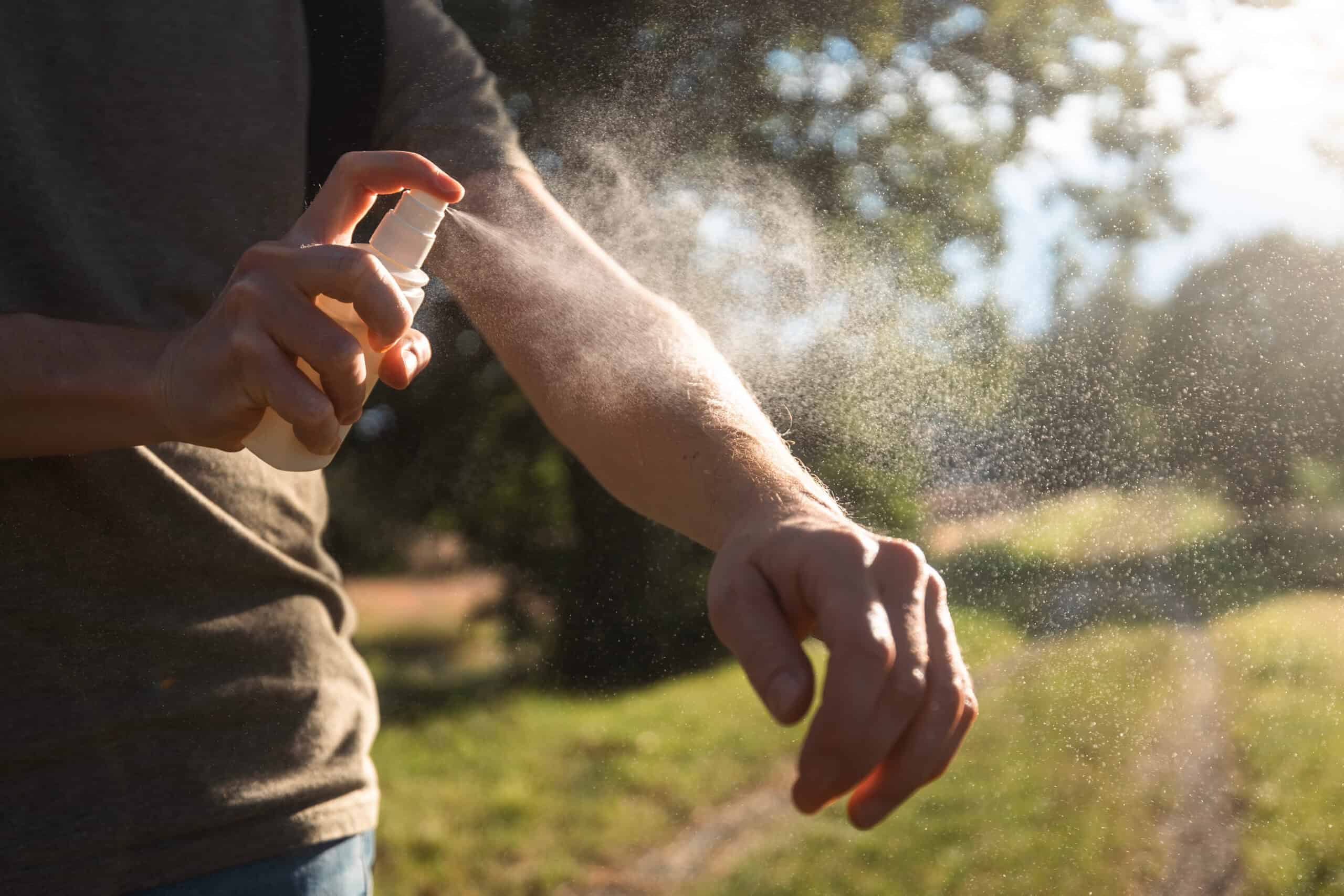
Insects make up half of all living organisms and play an essential role in our ecosystem, contributing to pollination and the food chain of birds and other insectivores. Only a few pose a threat to human health in Europe, but that threat can be serious. During the warm seasons, insect bites can be prevented through the use of insect repellents.
Creating safer indoor environments
As people spend much of their time indoors, maintaining clean indoor spaces is essential to comfort, health and long-term wellbeing.
Indoor environments can accumulate dust, mould spores, allergens and pollutants. Cleaning products help manage these contaminants, improving indoor air quality and reducing triggers for respiratory conditions such as asthma and allergies.


Supporting wellbeing and confidence
Cleanliness has a strong emotional and psychological impact. The comfort of a fresh home, the reassurance of clean surroundings and the confidence that comes from wearing clean clothes all contribute to emotional wellbeing.
These everyday experiences help people feel more relaxed, more comfortable in themselves and more connected to the spaces around them. Cleanliness supports dignity, confidence and quality of life in subtle but meaningful ways.
Enabling safe food preparation and storage
Hygiene in kitchens and food preparation areas is essential to preventing foodborne illness. Cleaning and hygiene products help keep surfaces, utensils and appliances free from harmful microorganisms, reducing the risk of cross-contamination.
This is critical both in households and across the wider food service chain, where consistent hygiene standards underpin consumer trust and public health.

Protecting vulnerable groups
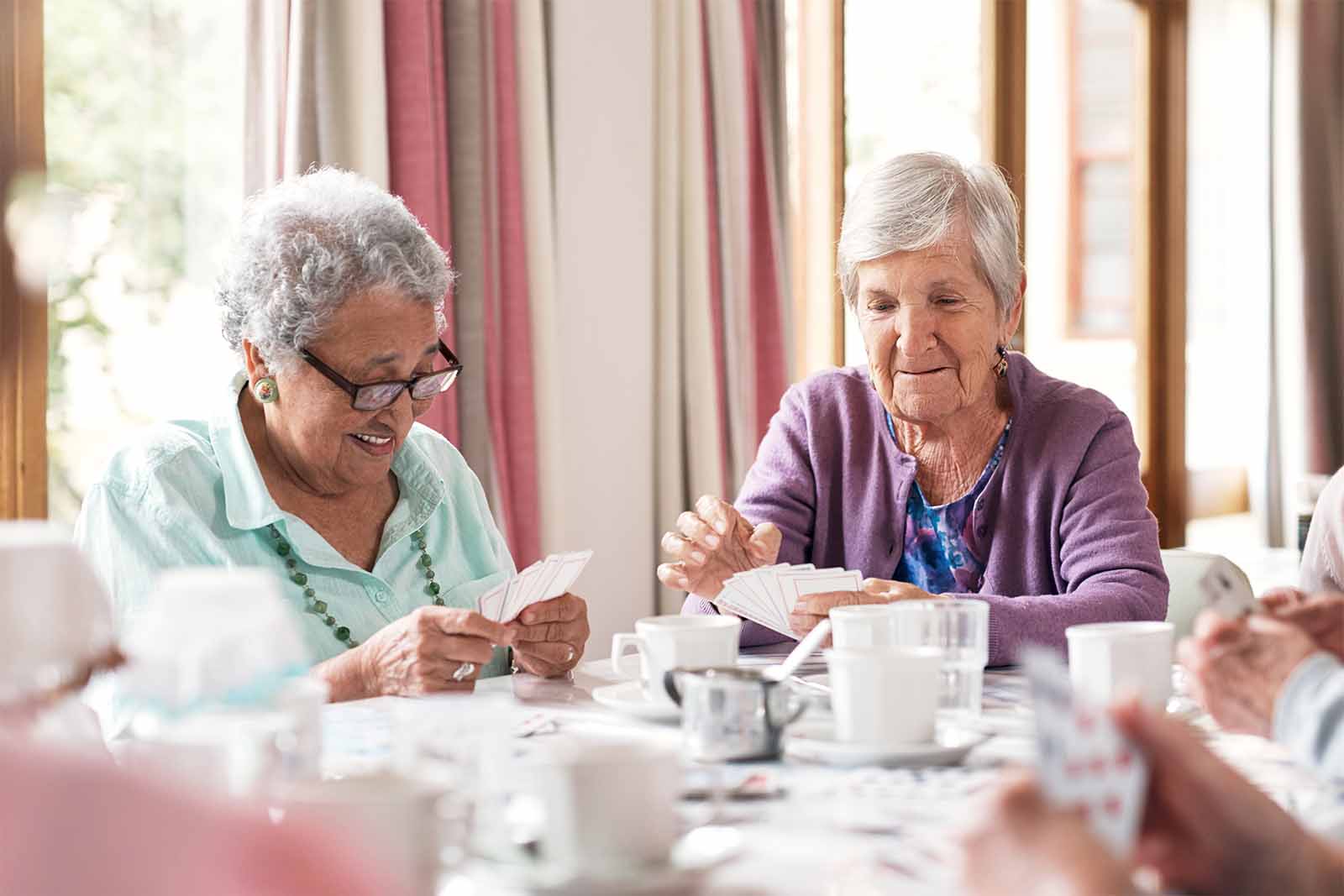
In healthcare settings, care homes and schools, hygiene is a frontline defence. Older adults, young children and individuals with compromised immune systems are more vulnerable to infections and require clean, hygienic environments to remain safe.
Effective cleaning and disinfection protocols are essential to preventing outbreaks and protecting these communities.
Supporting societal functioning
Cleaning and hygiene products are essential to the functioning of modern society. They help hospitals, schools, workplaces, transport systems, hospitality venues and manufacturing sites operate safely and continuously.
Without clean and hygienic spaces, daily life and economic activity would quickly be disrupted. Their importance becomes especially visible during health crises and emergencies, when hygiene becomes central to maintaining continuity, trust and resilience.
Extending the life of materials and infrastructure
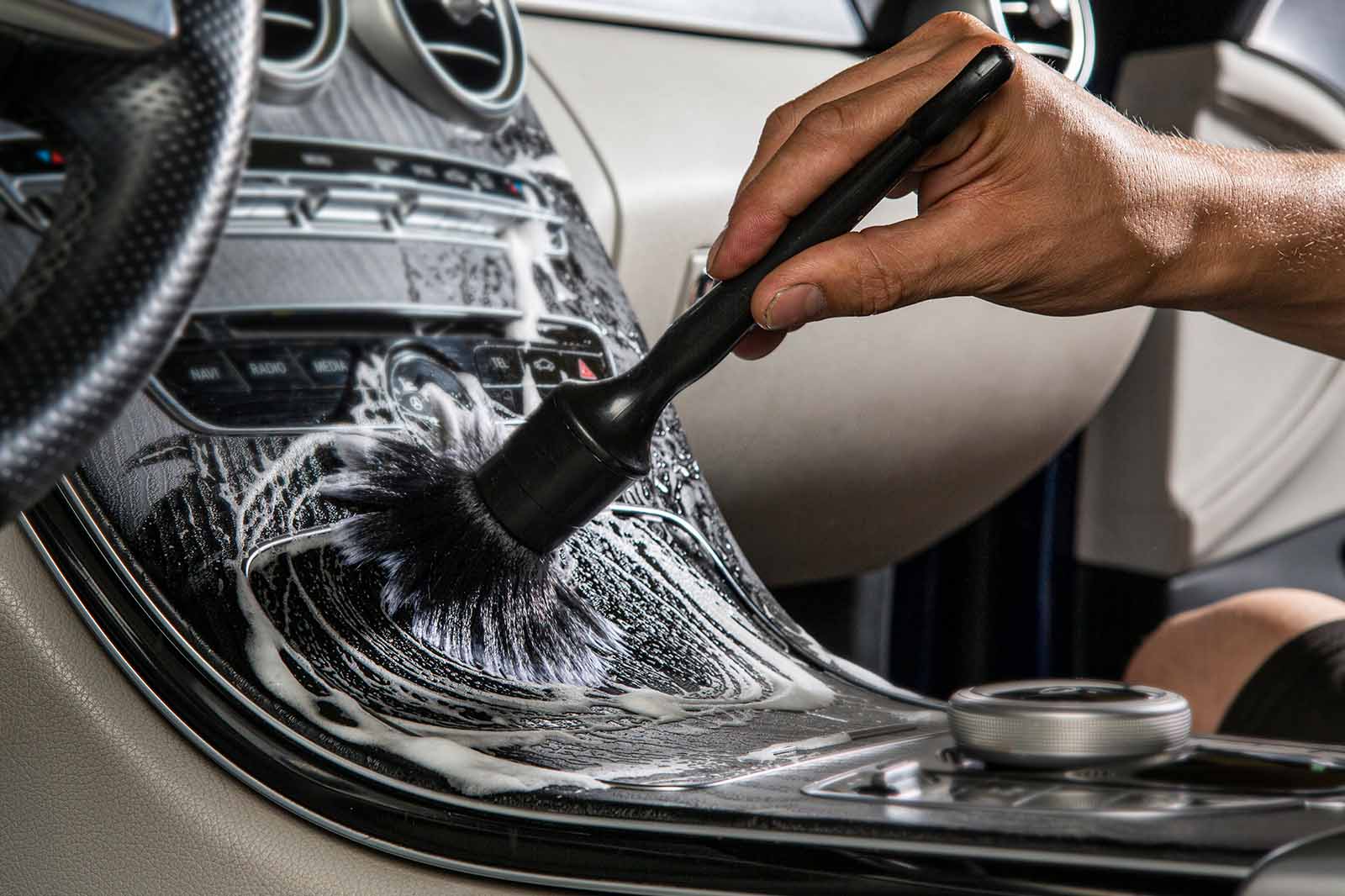
Beyond hygiene, cleaning products also help maintain and protect materials, surfaces, textiles and equipment. By removing corrosive substances, grease and contaminants, they help extend product lifespan, preserve infrastructure and support more sustainable use of resources.
Strengthening resilience
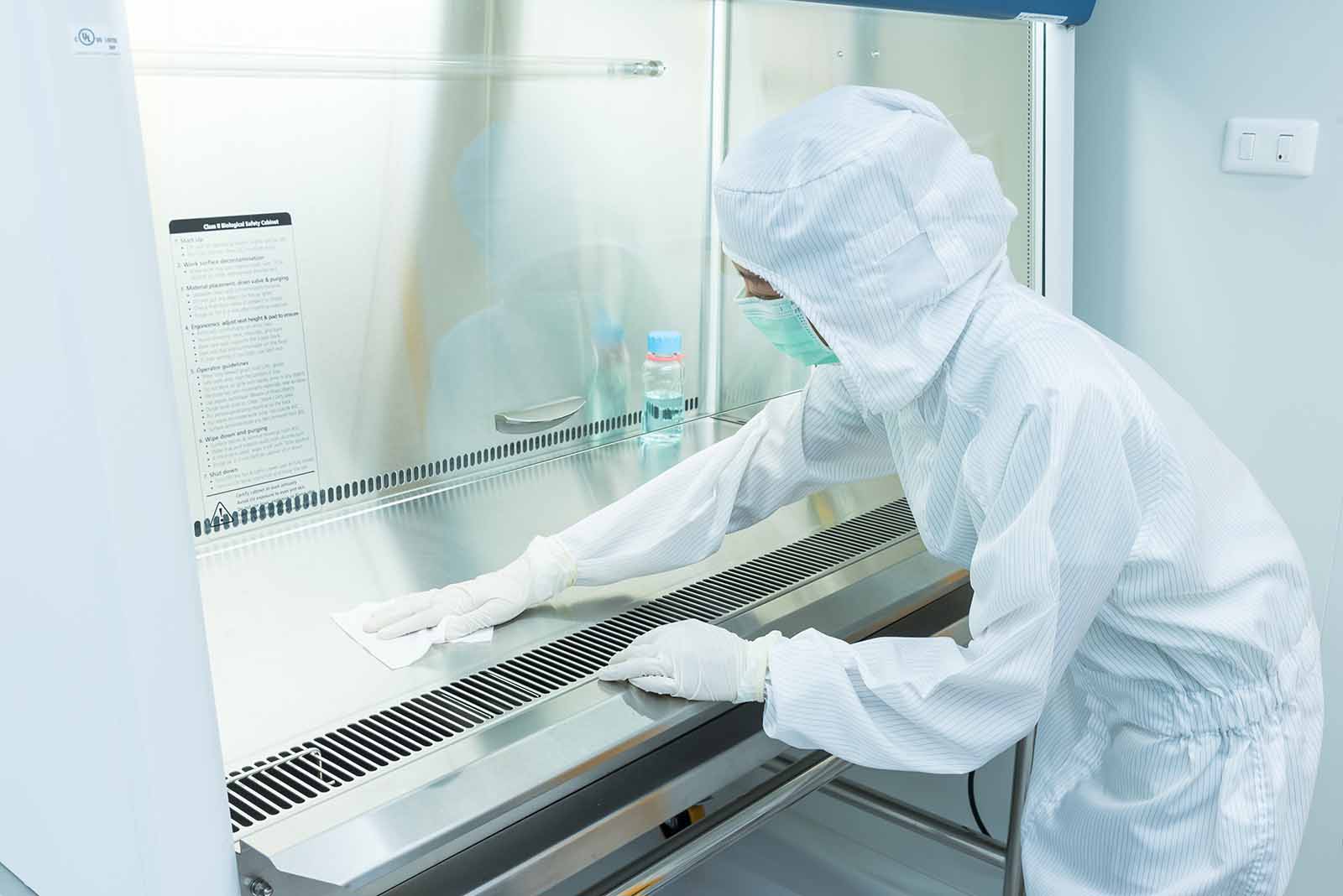
Cleaning and hygiene products contribute directly to societal and economic resilience. By maintaining sanitary conditions in homes, public infrastructure, healthcare settings and supply chains, they help prevent disruptions caused by contamination, disease outbreaks or equipment failure.
During crises and emergencies, effective hygiene practices help protect essential workers, maintain public confidence and ensure continuity of critical services.
Cleaning and hygiene products are therefore far more than everyday essentials. They help create clean, welcoming and trusted spaces, protect health, support wellbeing and confidence, and contribute to a healthier, more resilient and more sustainable Europe