


Timeline of Innovation in Cleaning & Hygiene Products in Europe
1952 – Today
From post-war detergents to AI-assisted, low-impact hygiene – seven decades of European innovation that quietly keep daily life clean, safe and resilient.
1950s
1952–1959
Europe’s Post-War Cleaning Revolution

Modern detergents rapidly replace traditional soap products across Europe, particularly in Western European households.
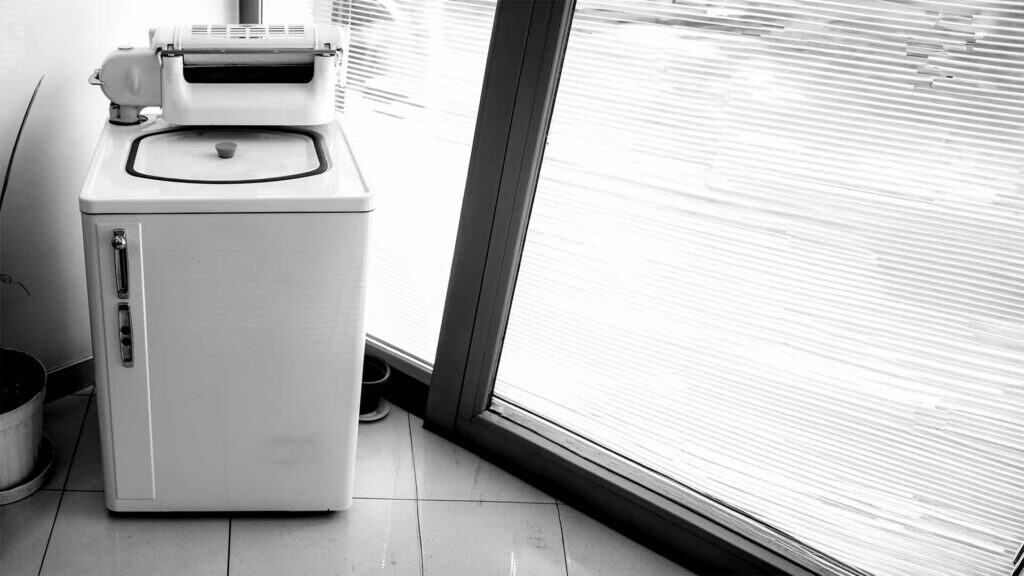
Expansion of automatic washing machines drives demand for specialised laundry detergents.
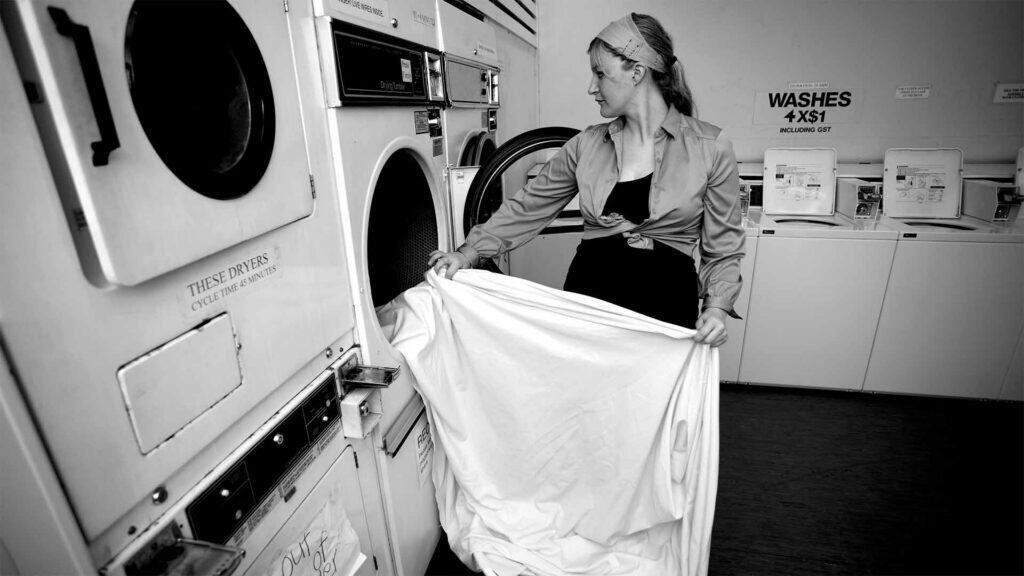 Optical brighteners become common in European laundry products to improve fabric appearance.
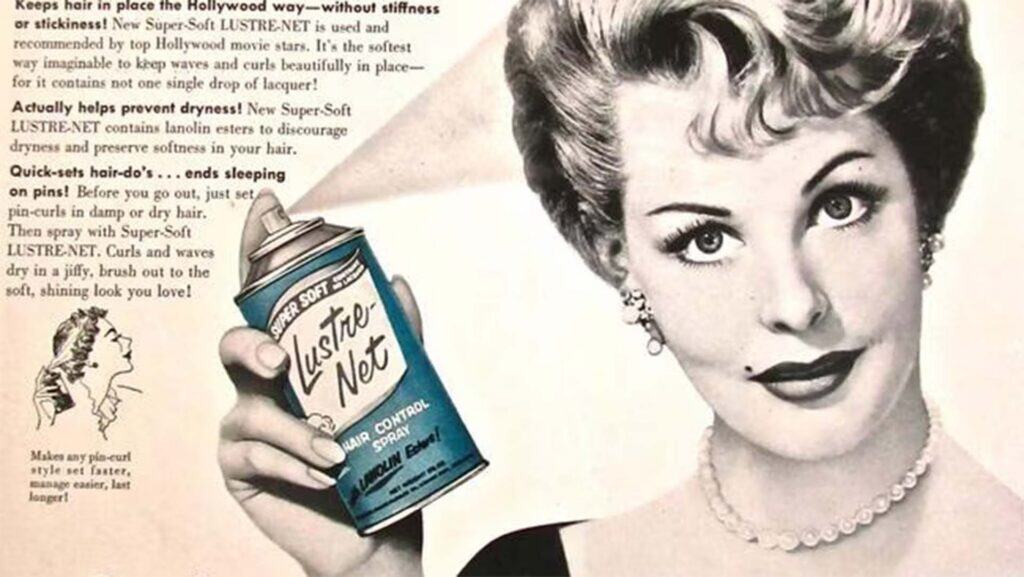 Growth of aerosol cleaning and air care products.
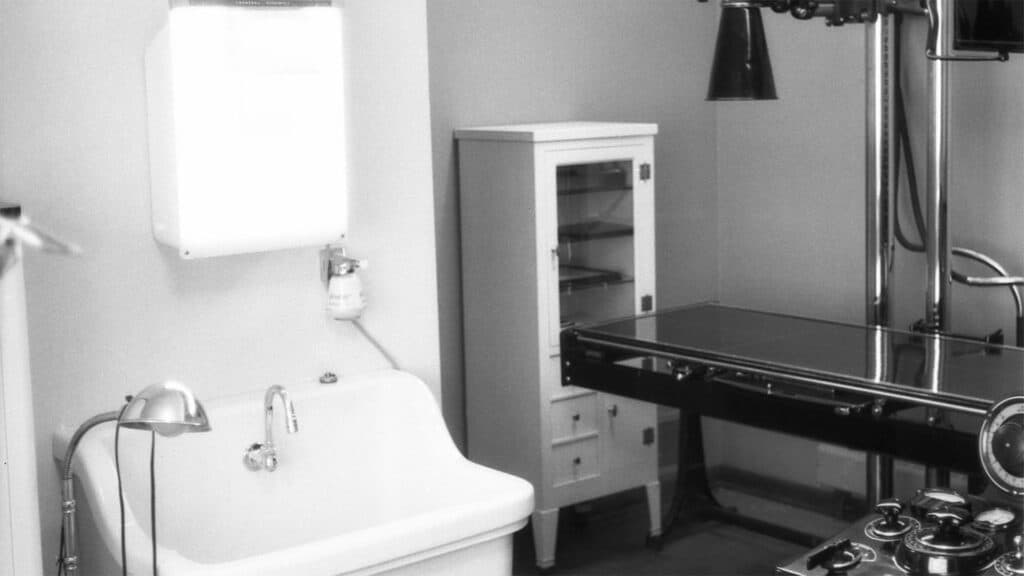 Hygiene standards in hospitals and food production begin modernising alongside Europe’s post-war industrial expansion.
1960s
1960–1969
Convenience & Household Modernisation
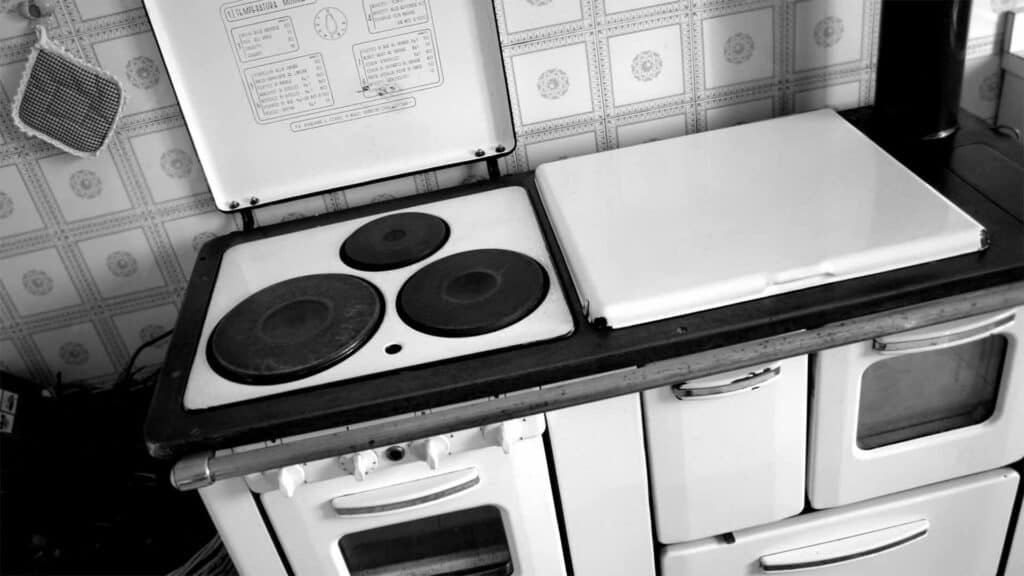
Rising household appliance ownership transforms cleaning habits across Europe
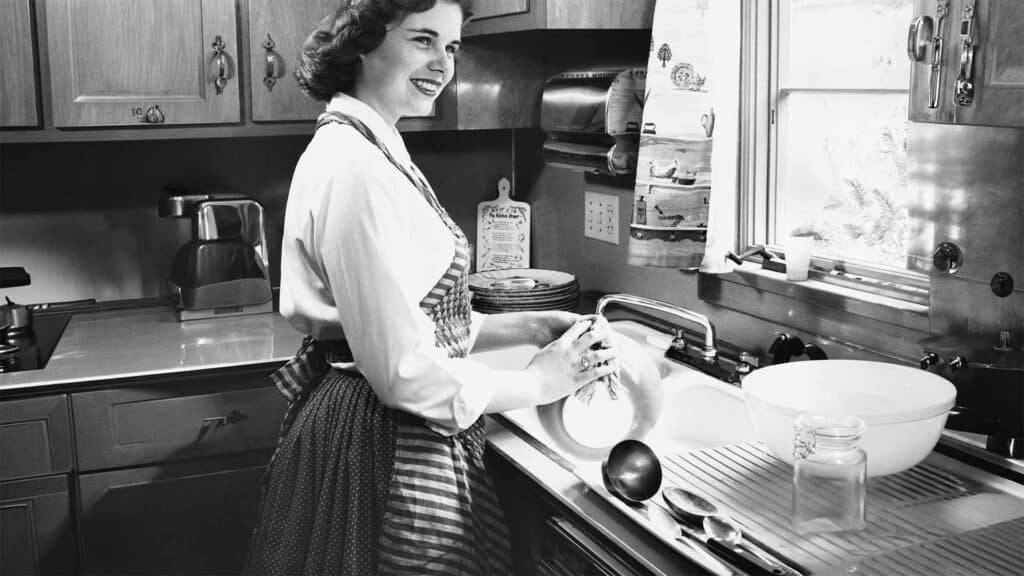
Introduction of multi-purpose kitchen and bathroom cleaners.
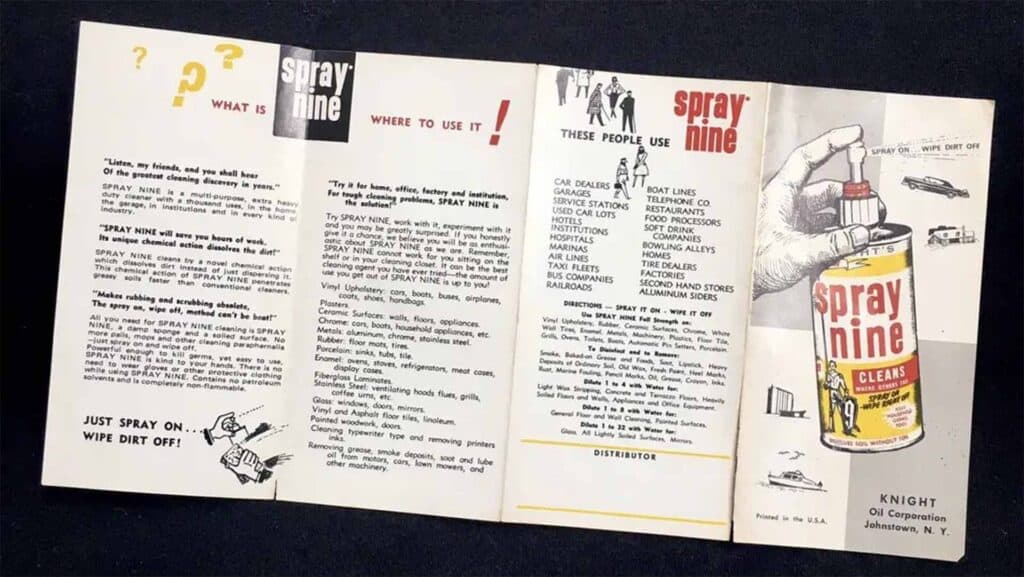 Trigger spray bottles improve convenience and product control. …
 Fabric softeners become widely used, reducing ironing effort and improving textile comfort.
 Disposable wipes and sanitary cleaning products enter the European market.
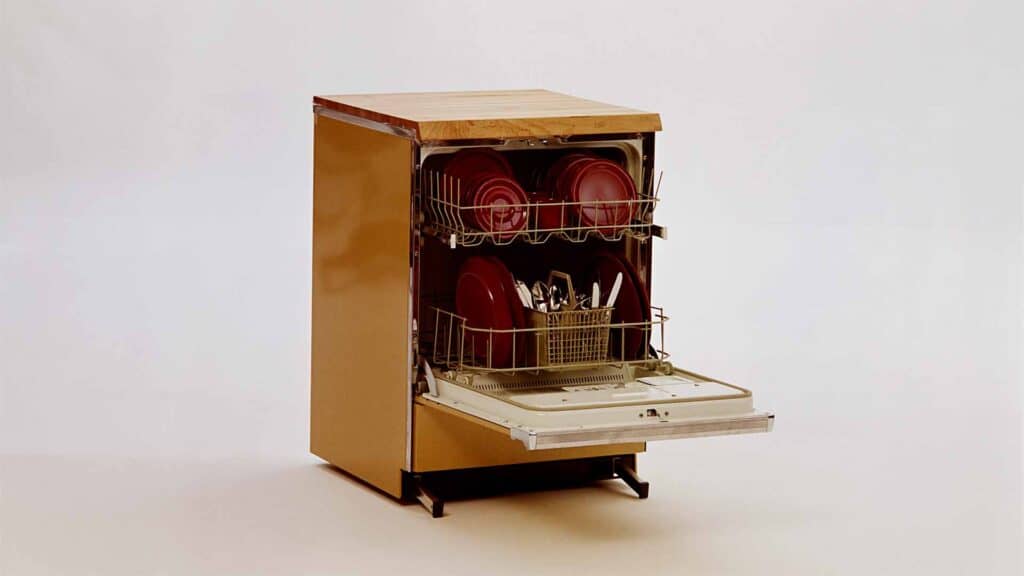 Dishwashing detergents evolve rapidly as domestic dishwashers become more common in Northern and Western Europe.
1970s
1970–1979
Product Improvement & Specialisation

Europe pioneers enzyme-based detergents capable of cleaning effectively at lower temperatures.
Concentrated detergent powders reduce packaging size and transport weight.
 Growth of specialised cleaning products for bathrooms, carpets, ovens and glass.
1980s
1980–1989
High-Performance Cleaning
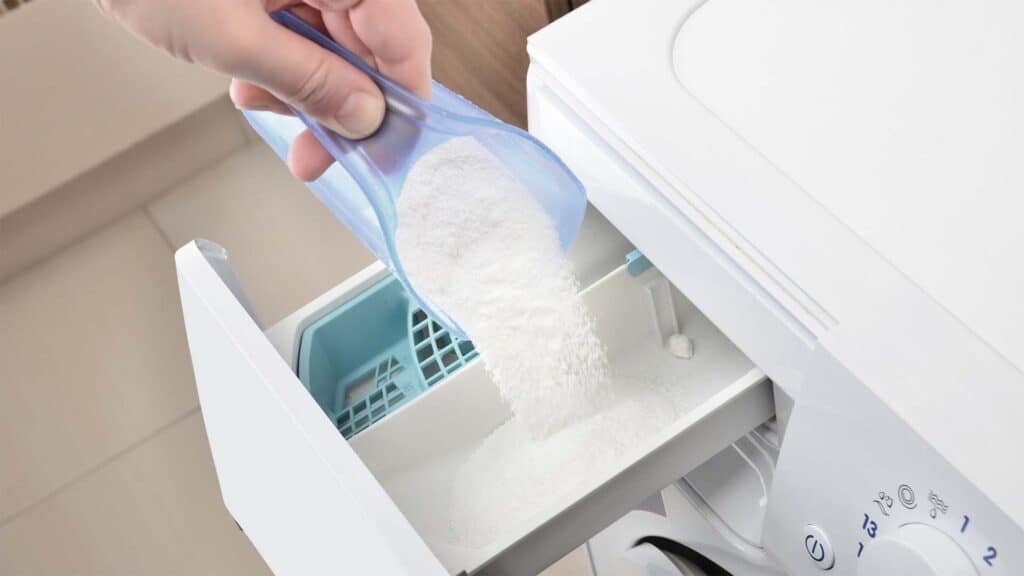
Biological detergents become mainstream across Europe.
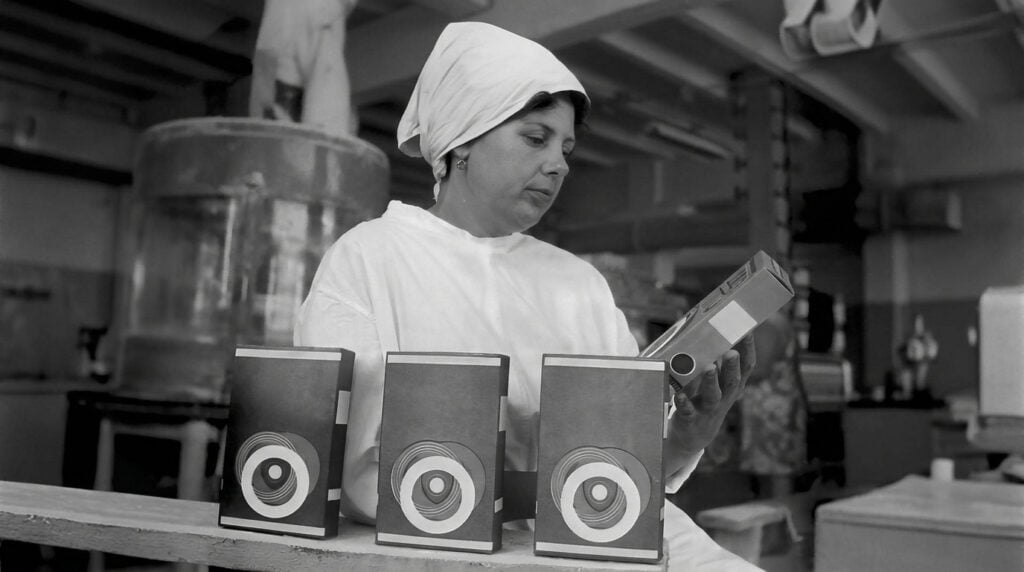
Compact detergent powders reduce packaging and storage requirements.
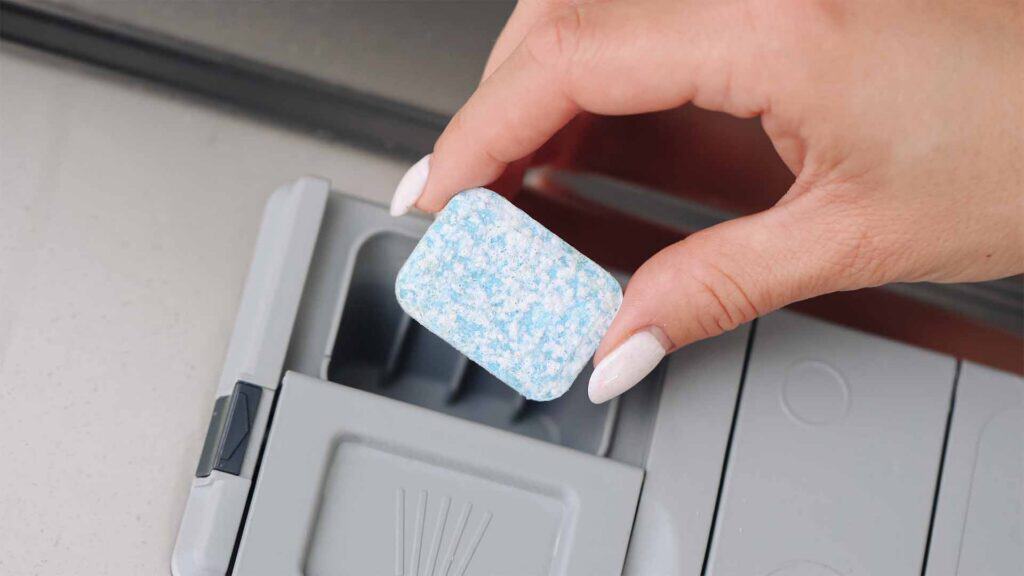 Dishwasher tablets simplify dosing and improve convenience.
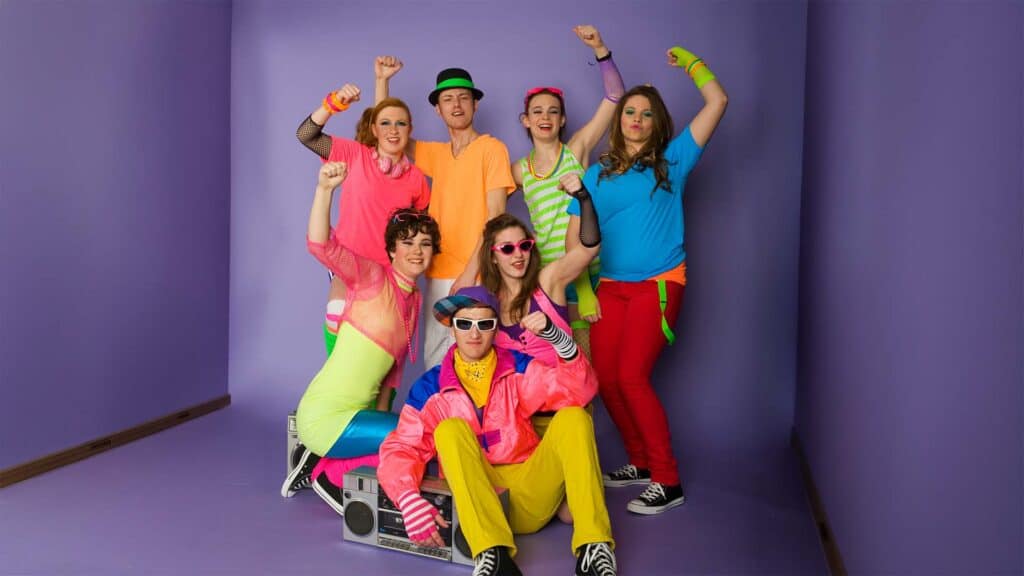 Colour-safe bleach technologies help extend garment life.
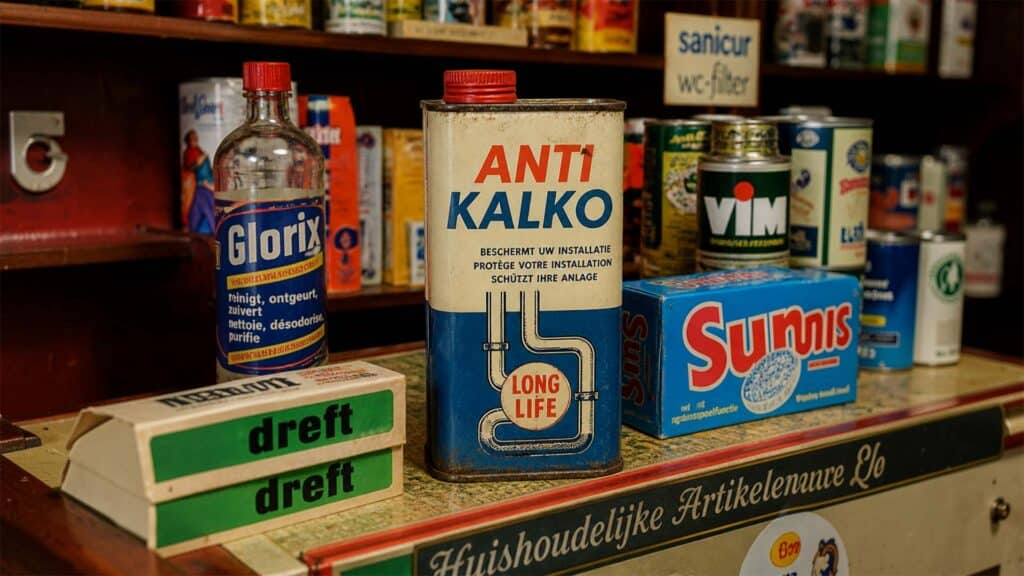 Anti-limescale products become essential in many European markets with hard water.
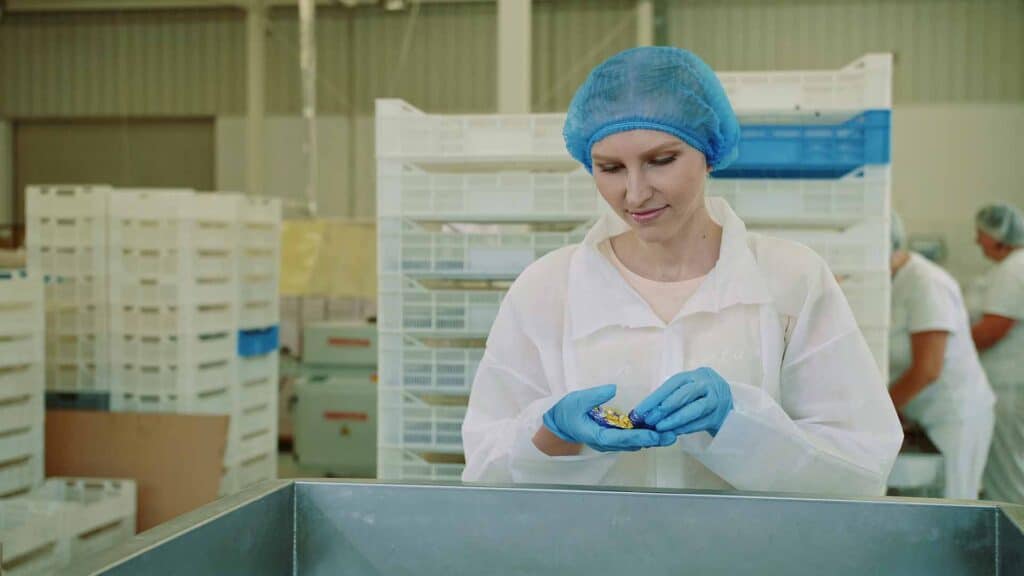 Hygiene innovation accelerates in healthcare and food safety sectors.
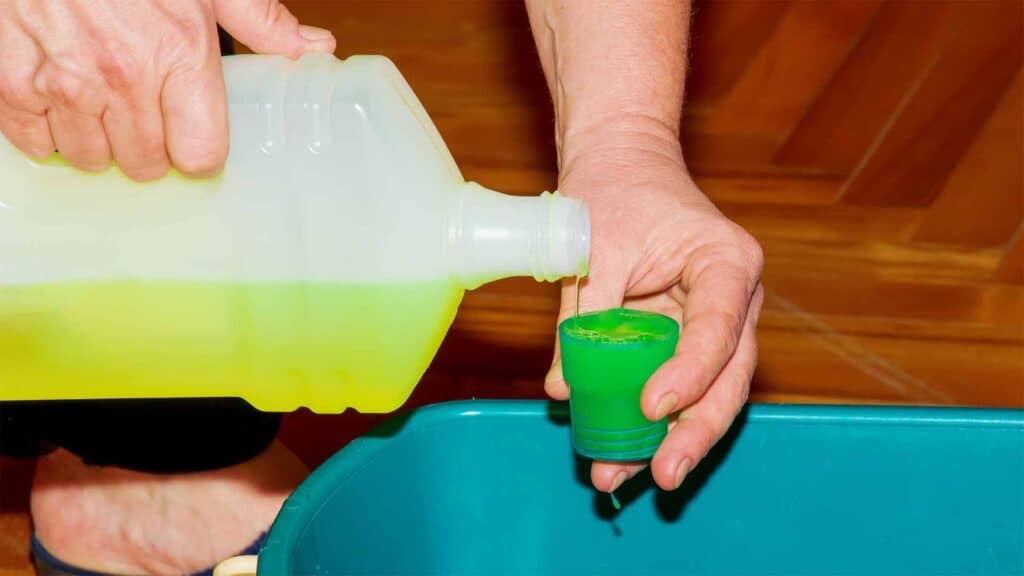 European cleaning manufacturers invest heavily in formulation science to improve cleaning performance while reducing dosage.
1990s
1990–1999
Europe Leads on Sustainability
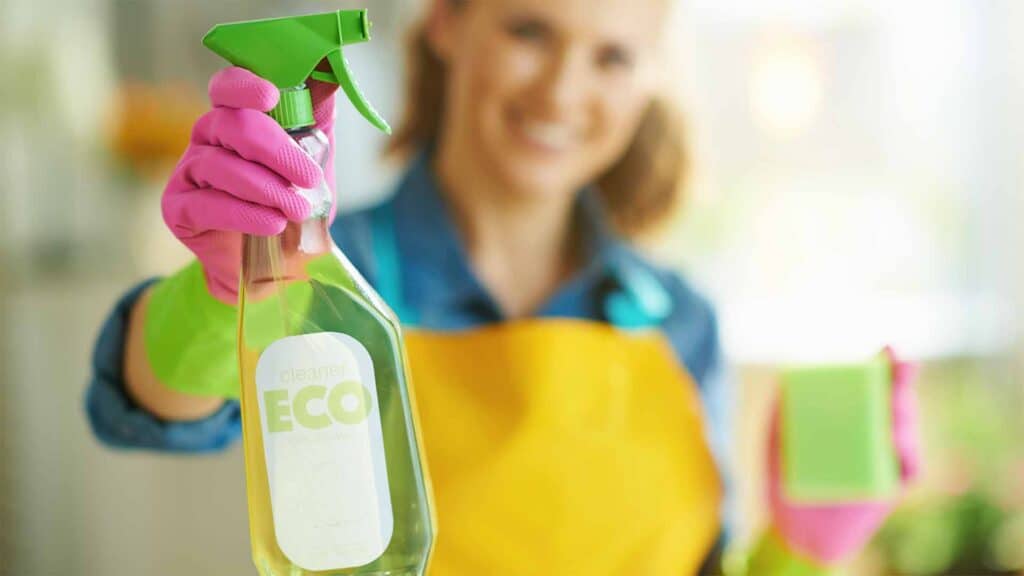
Europe becomes a global leader in phosphate-free detergents.

EU environmental policy and ecolabel initiatives begin shaping product development.
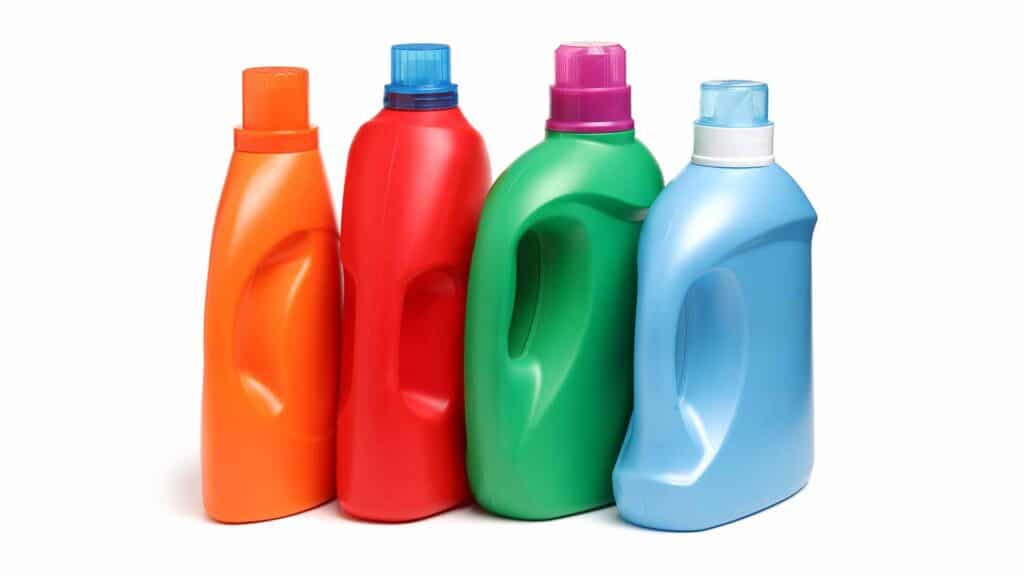 Concentrated liquid detergents reduce packaging and transport emissions.
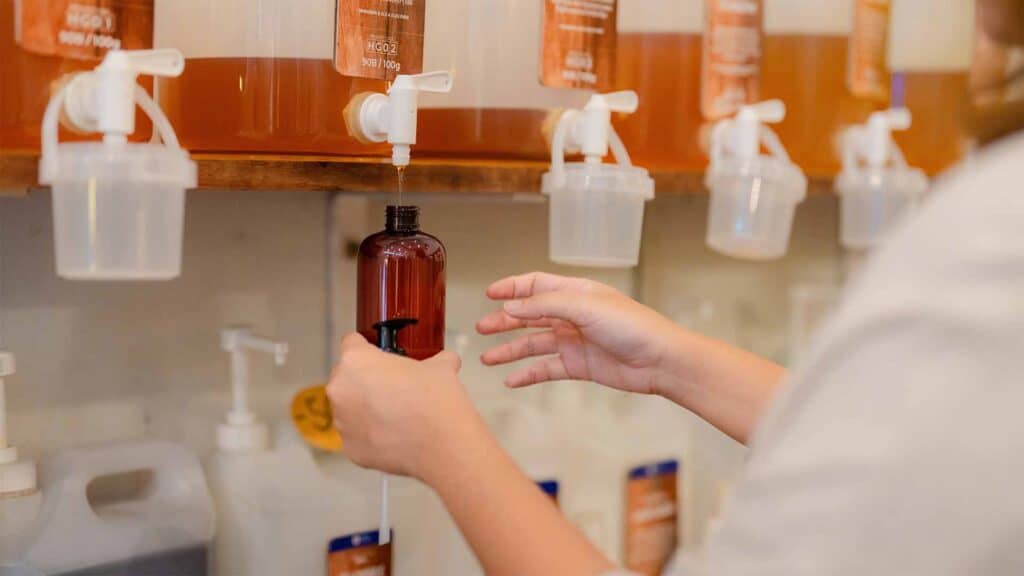 Refill systems and bulk professional cleaning formats expand.
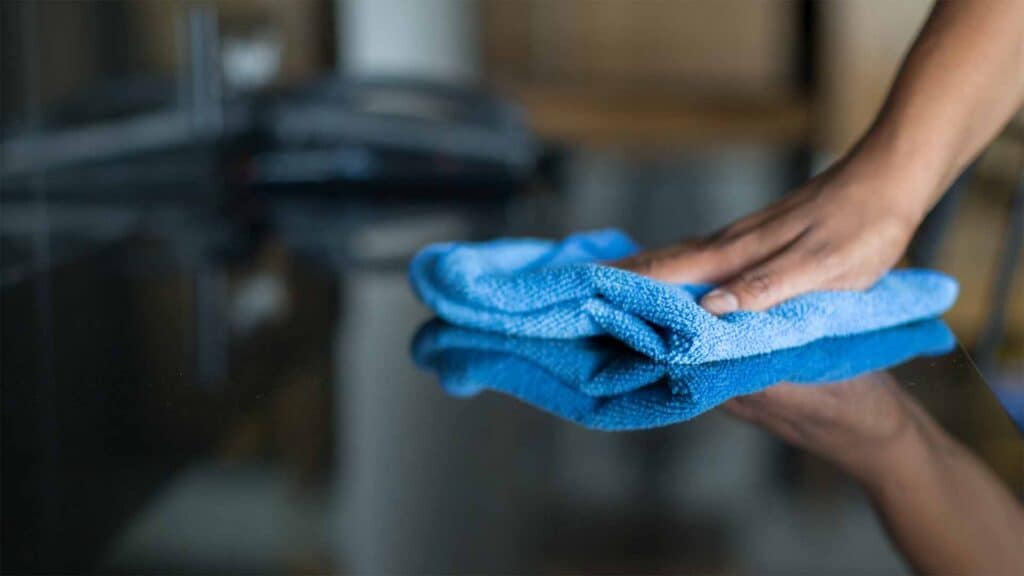 Microfibre cleaning technologies reduce the need for chemicals and water.
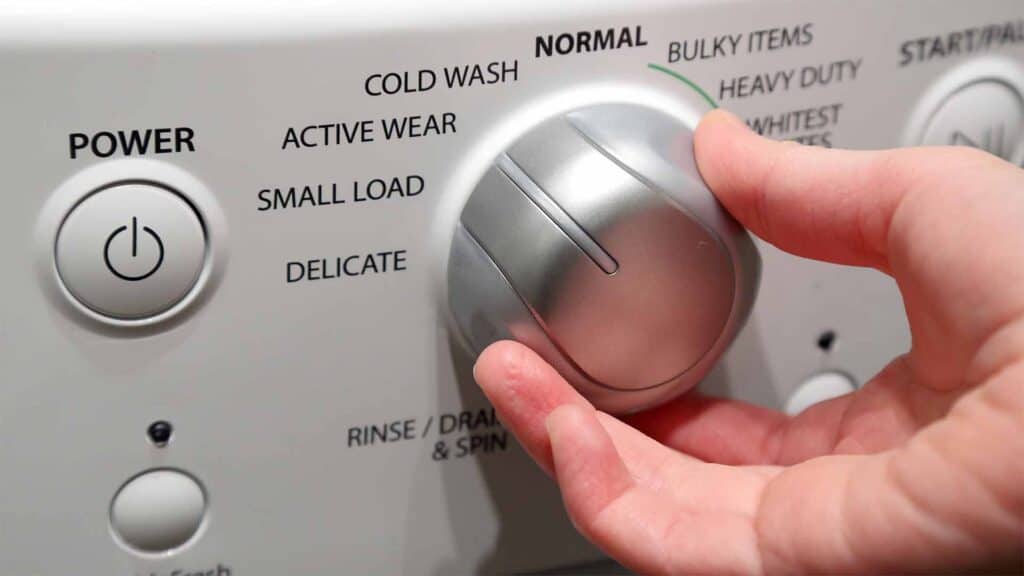 Cold-water detergents help lower household energy consumption.
 Lightweight packaging reduces raw material use and waste.
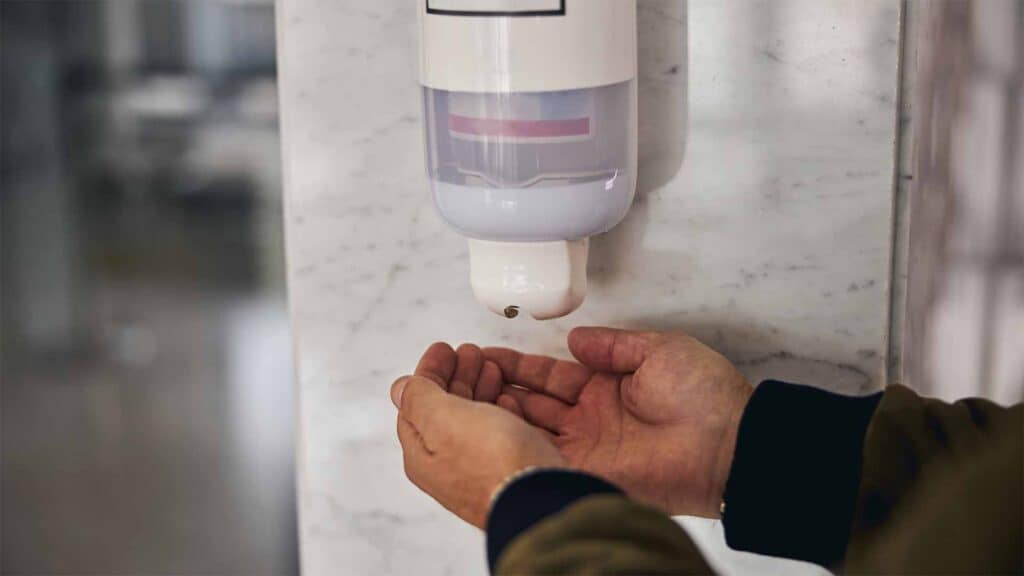 Alcohol-based hand sanitisers become more common in healthcare environments.
2000s
2000–2009
Compact Formats & Resource Efficiency
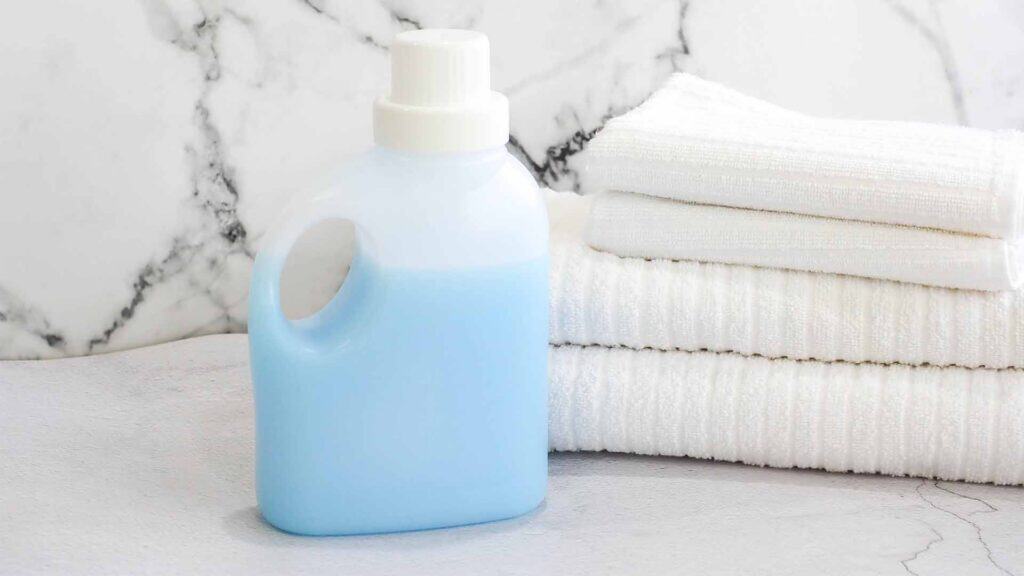
Ultra-concentrated laundry detergents significantly reduce packaging volumes.
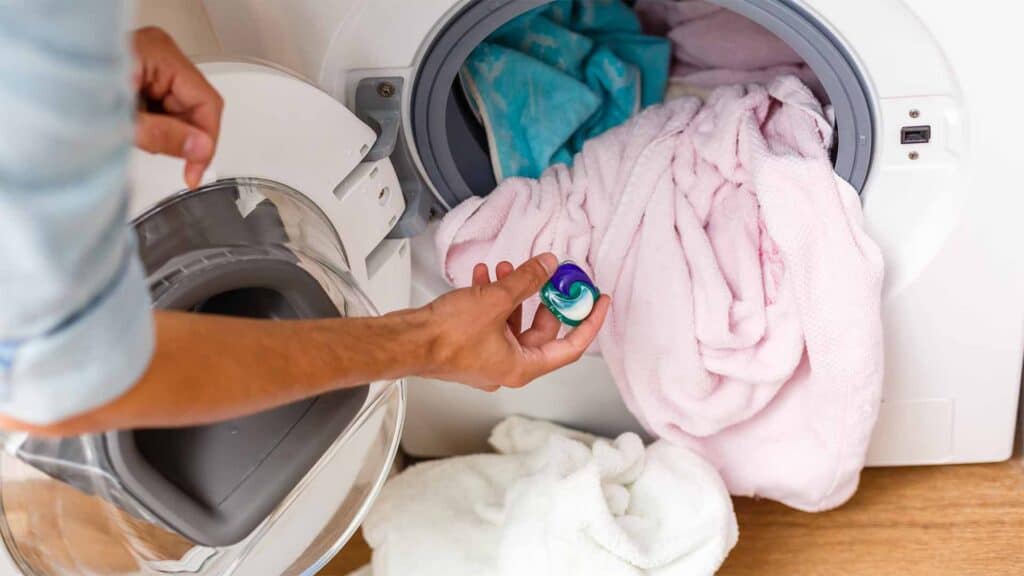
Laundry tablets simplify dosing and help prevent overuse.
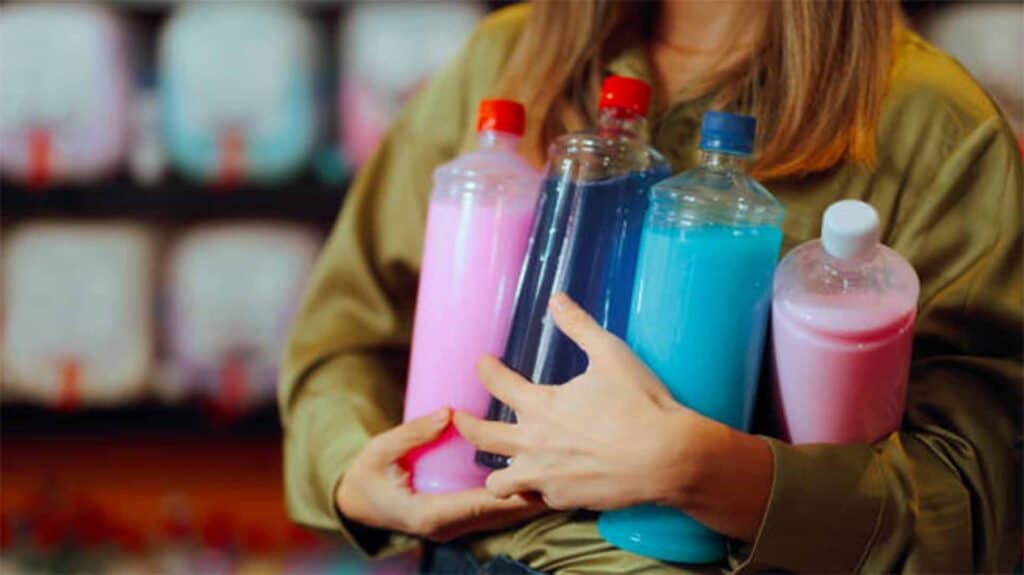 Growth of refill packs and concentrated cleaners across retail markets.
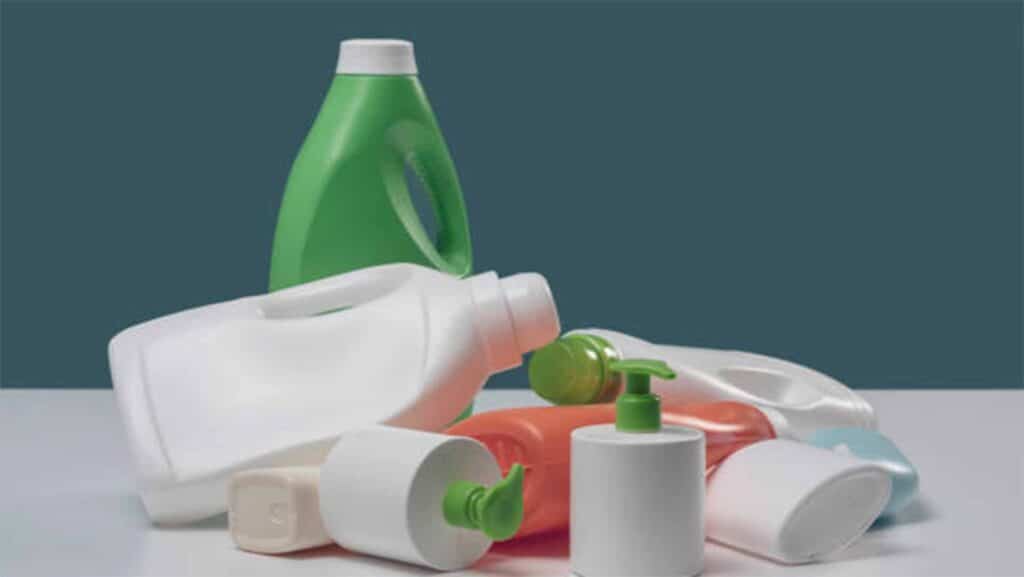 Increased use of recycled plastics in packaging.
2010s
2010–2019
Capsules, Refills & Circular Thinking
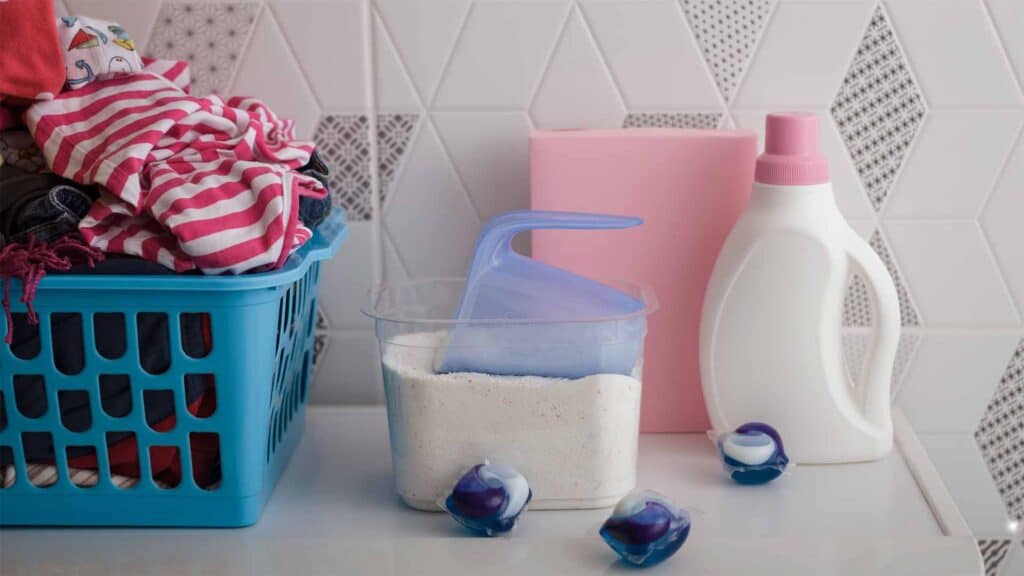
Laundry capsules become mainstream across Europe, complementing powder boxes and large liquid bottles.
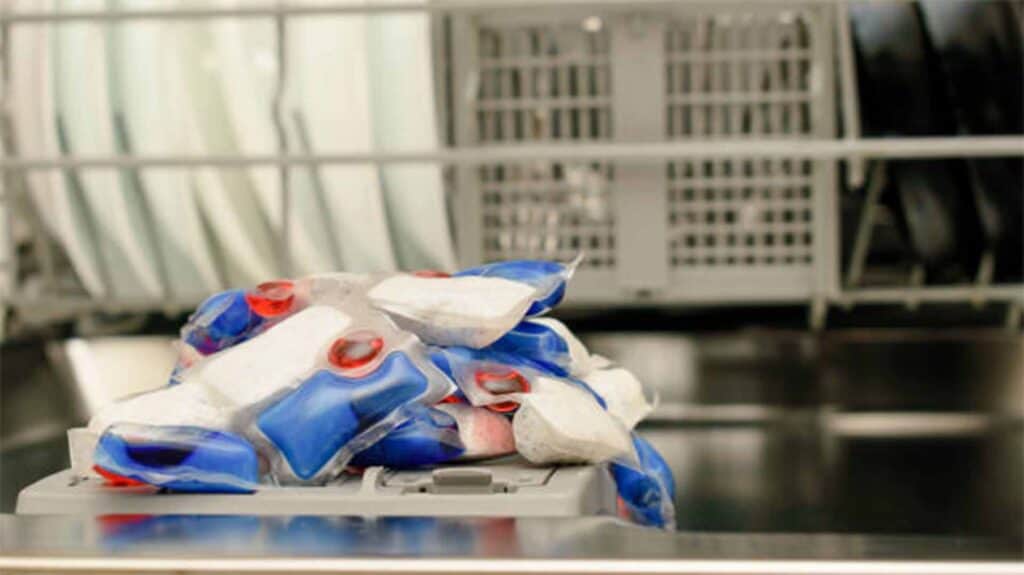
Water-soluble films improve convenience and reduce water use.
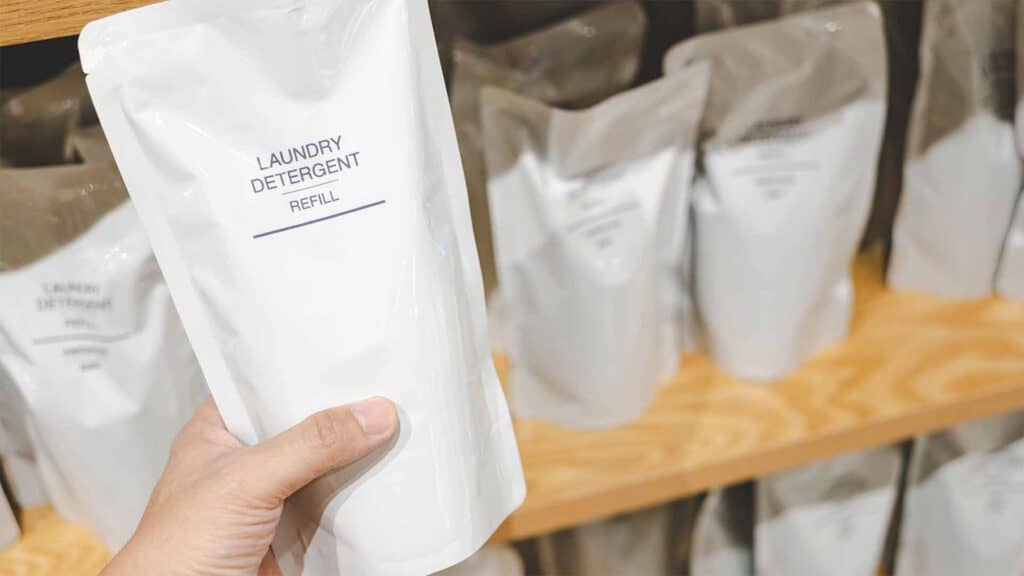 Refill pouches reduce plastic use compared to rigid packaging.
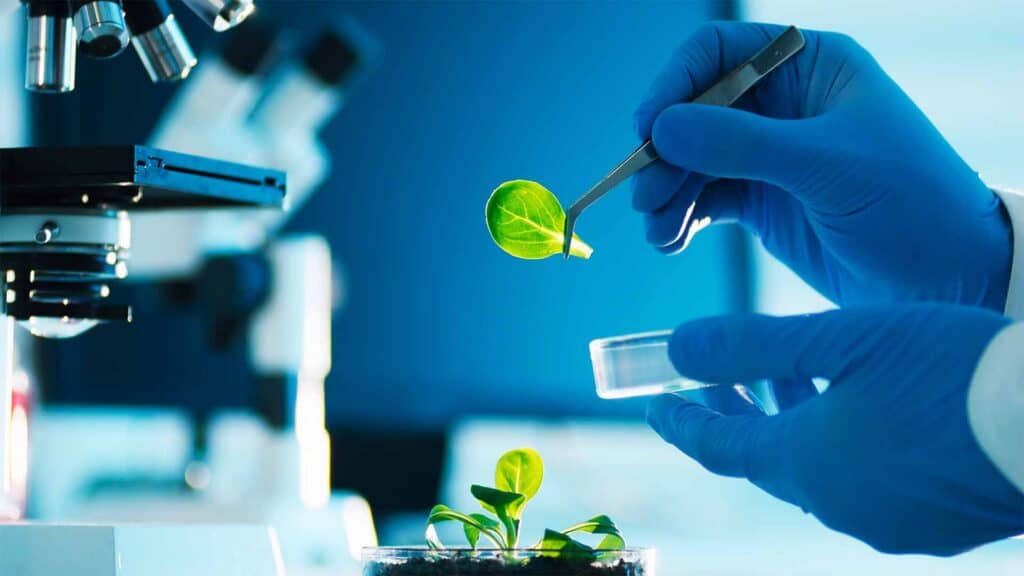 Strong growth in biodegradable and plant-based formulations.
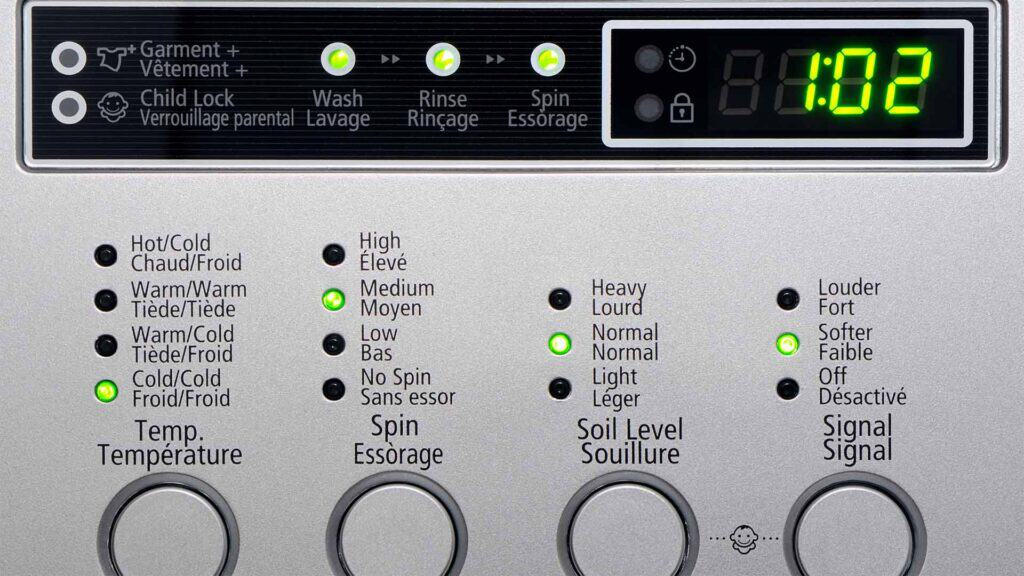 Short laundry cycles become an important feature.
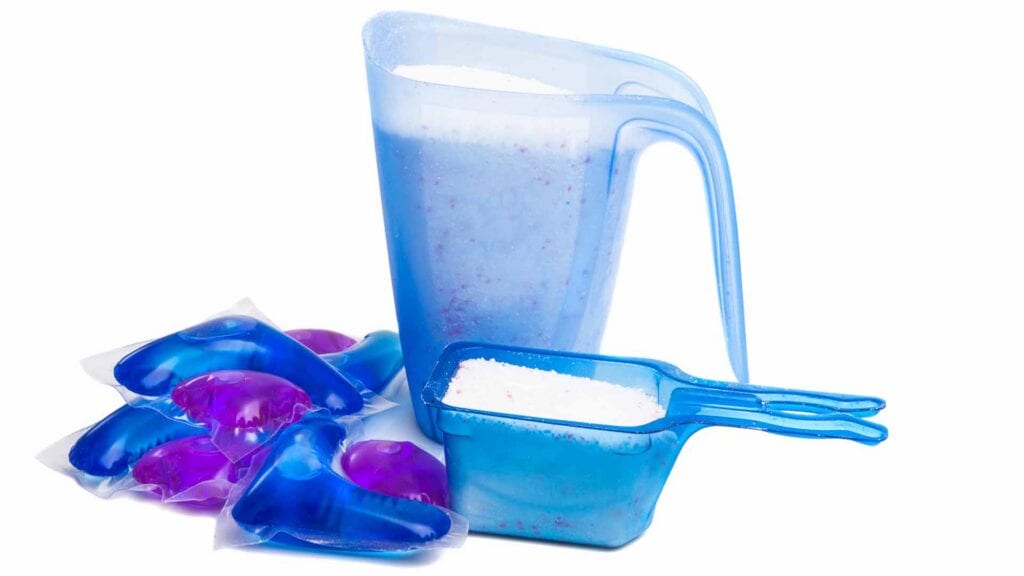 Cold-water detergents become highly effective even at 20°C and below.
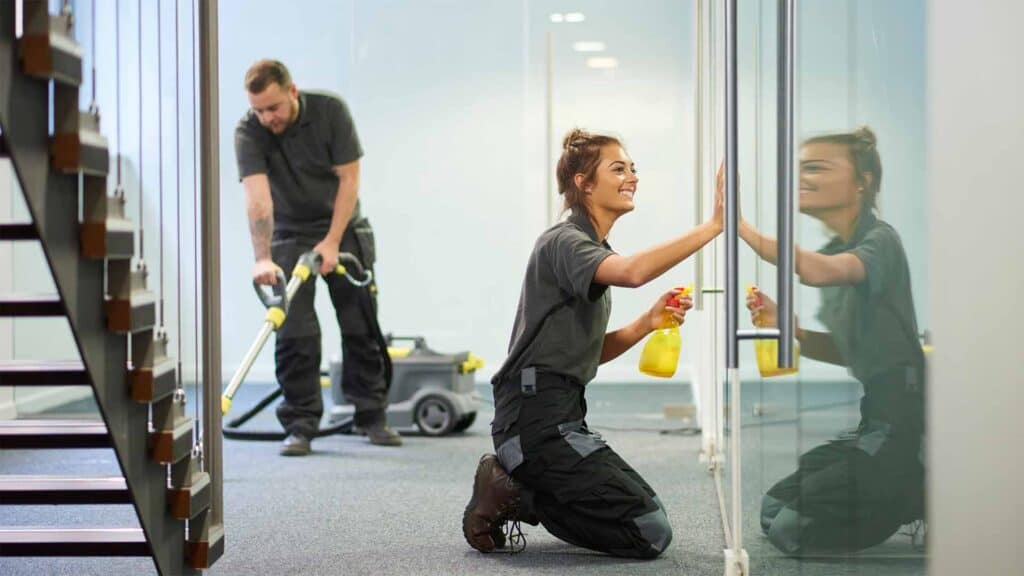 Smart dosing systems improve efficiency in professional cleaning.
2020
2020–2022
Hygiene at the Centre of Society
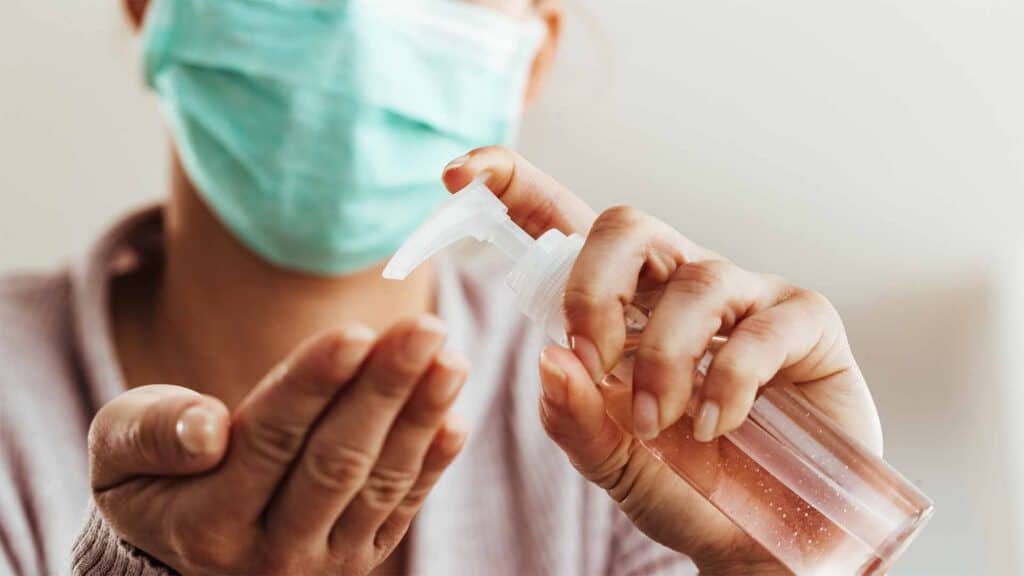
The Corona Virus pandemic dramatically accelerates innovation in disinfectants, sanitisers and hygiene systems across Europe.
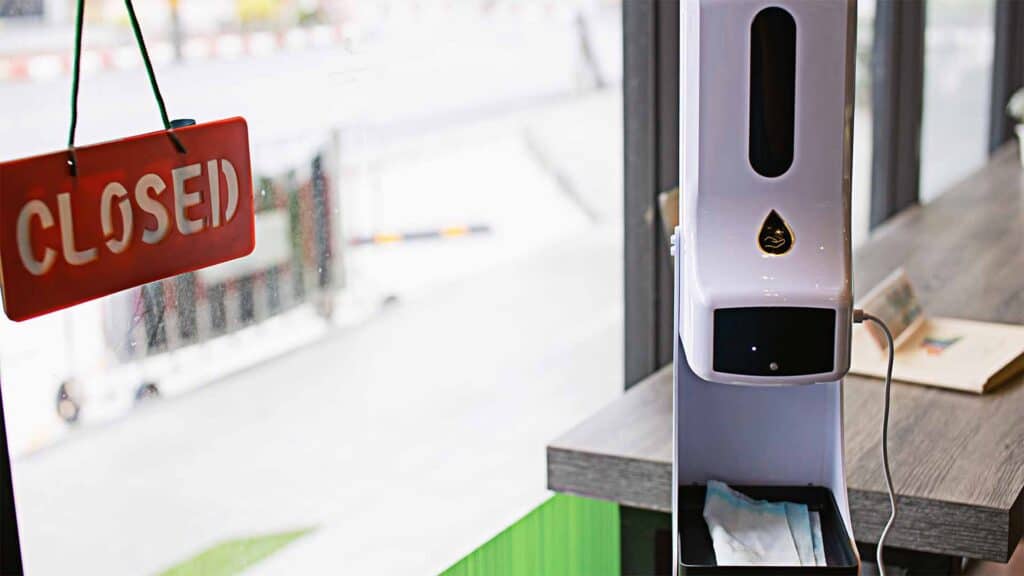
Massive rollout of touch-free dispensers, automatic taps and sensor-based hygiene solutions.
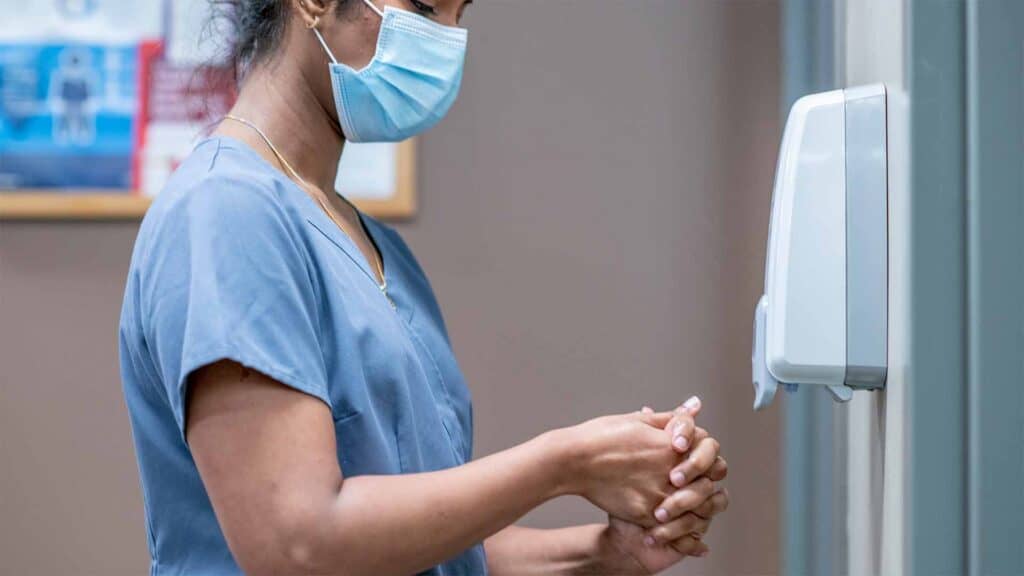 Expansion of antiviral cleaning technologies for healthcare, transport and public spaces.
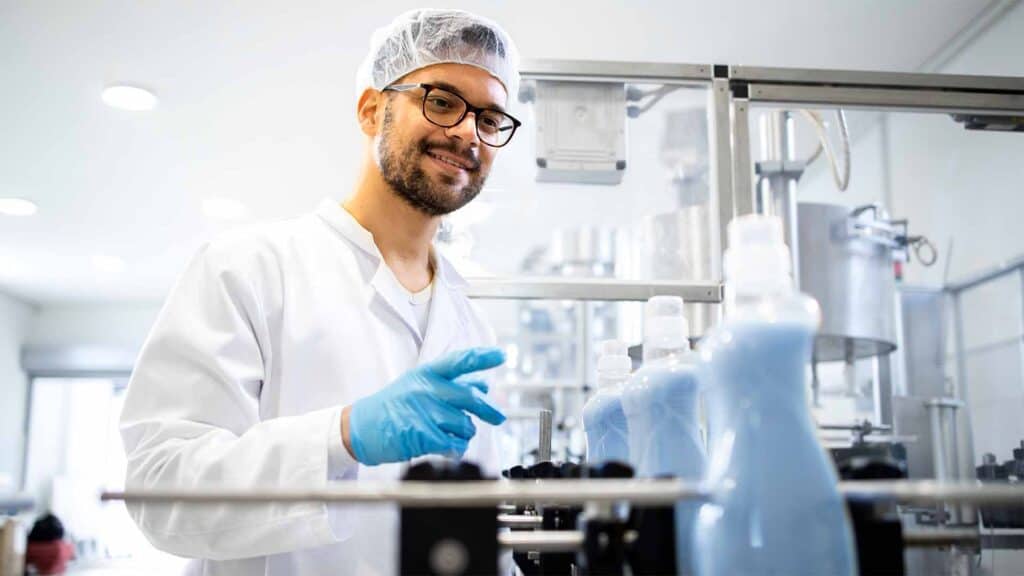 Increased investment in European hygiene manufacturing resilience and supply chains.
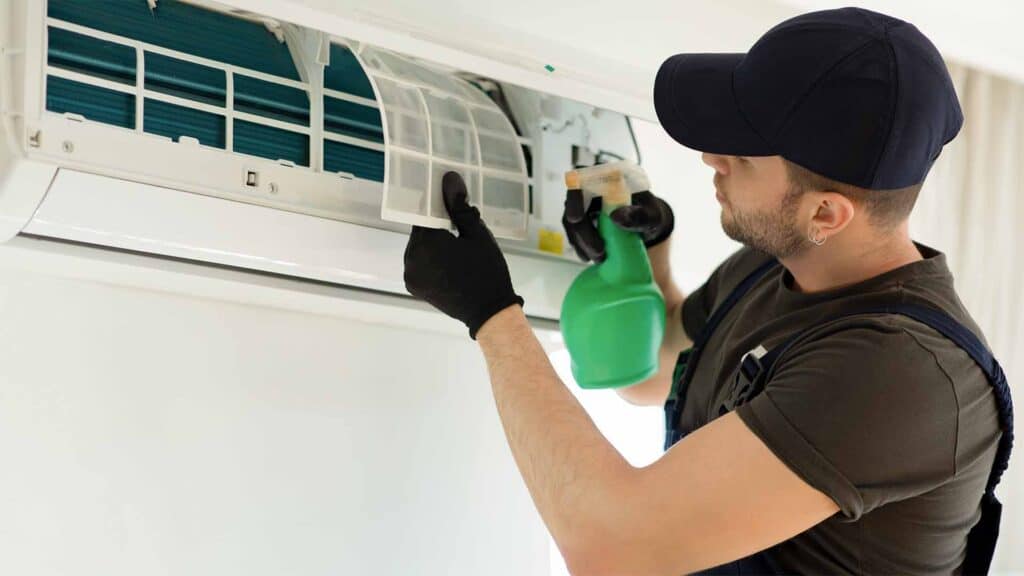 Greater focus on indoor air quality, ventilation hygiene and surface protection technologies.
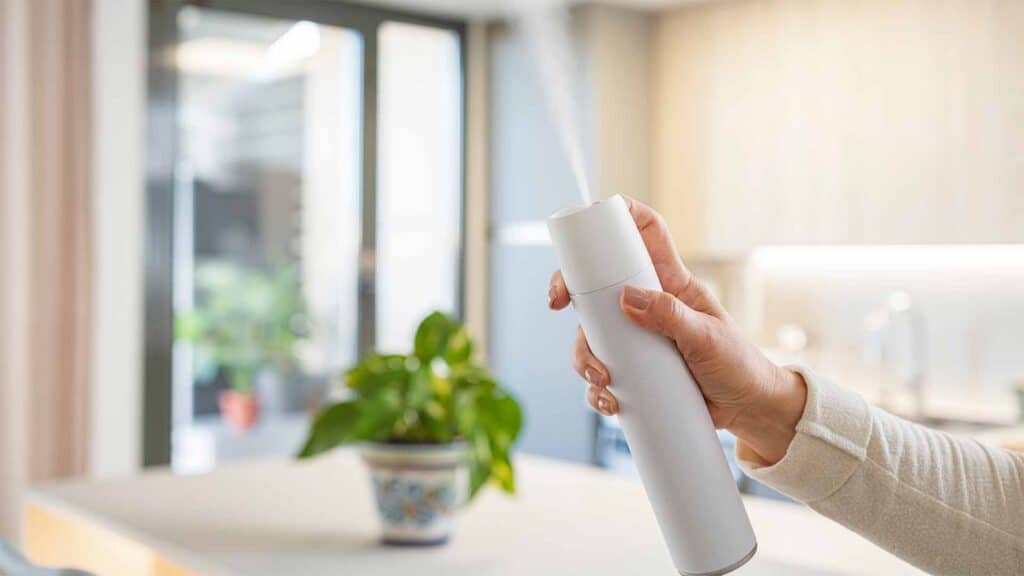 The first air sanitizers effectively killing viruses and bacteria in the air appear.
2023
2023–Today
Smart, Low-Impact & Circular Hygiene
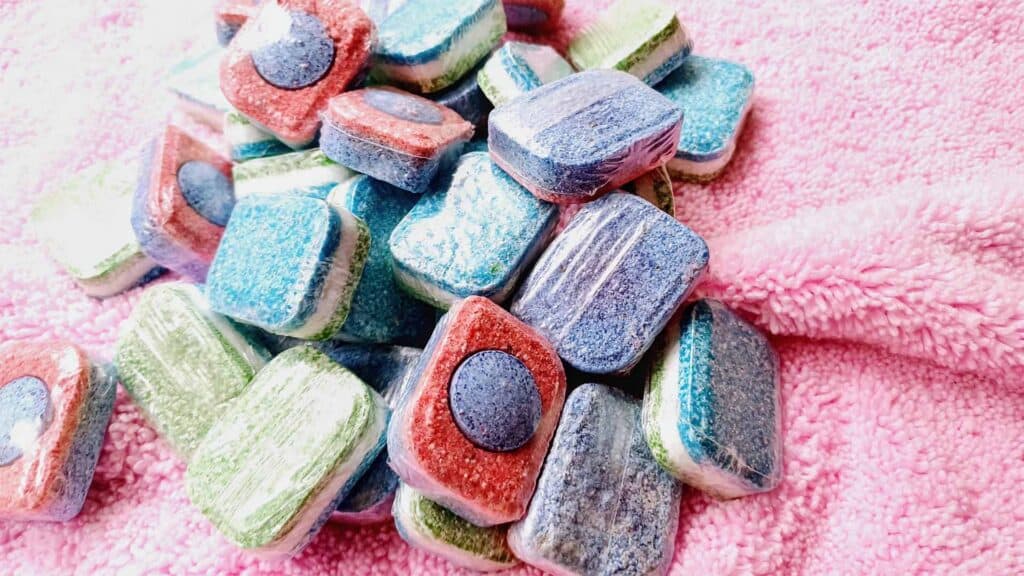
Solid-format cleaning products reduce water transport and packaging waste.
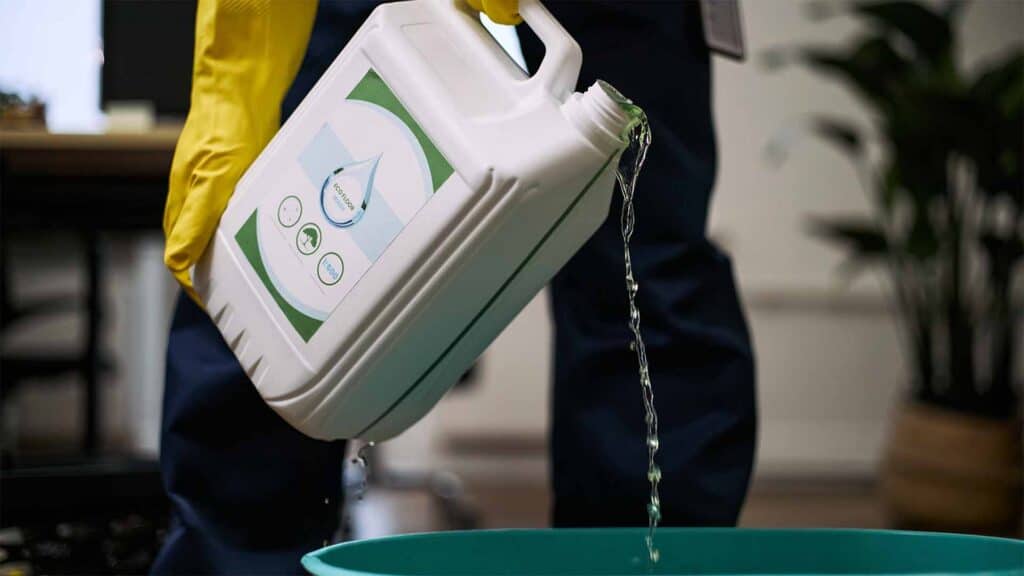
Biotechnology and fermentation-derived ingredients reduce dependence on fossil-based chemicals.
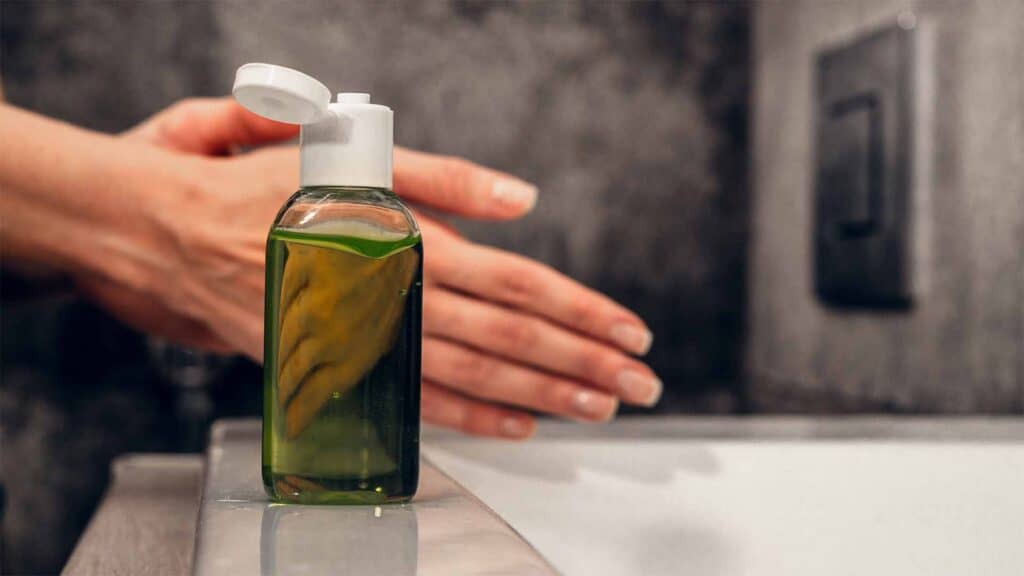 The first plant-based antiseptics are introduced to the market.
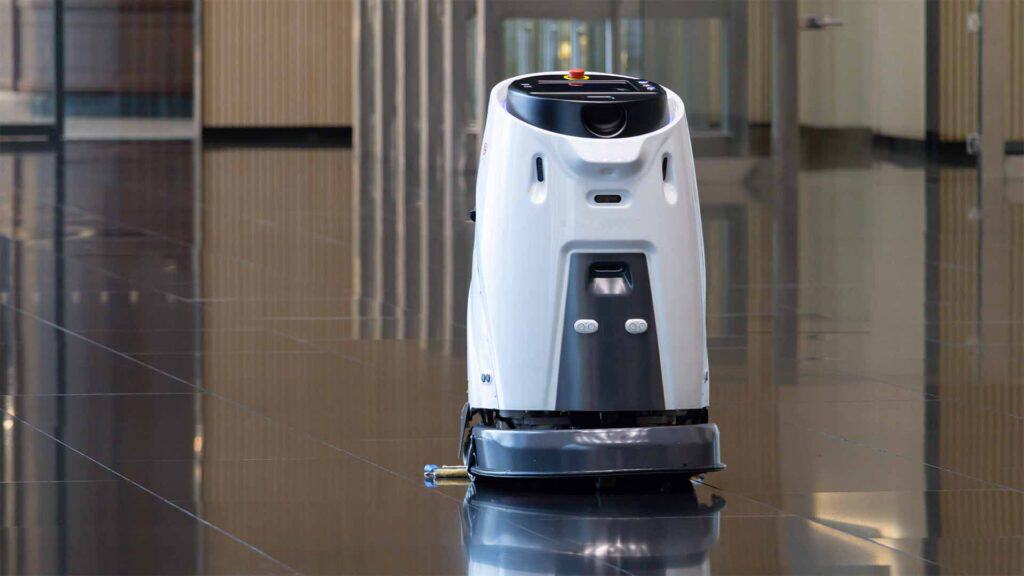 AI-assisted cleaning robots and sensor-based hygiene monitoring expand in hospitals, transport hubs and commercial buildings.
 Smart dosing systems minimise waste and optimise product consumption.
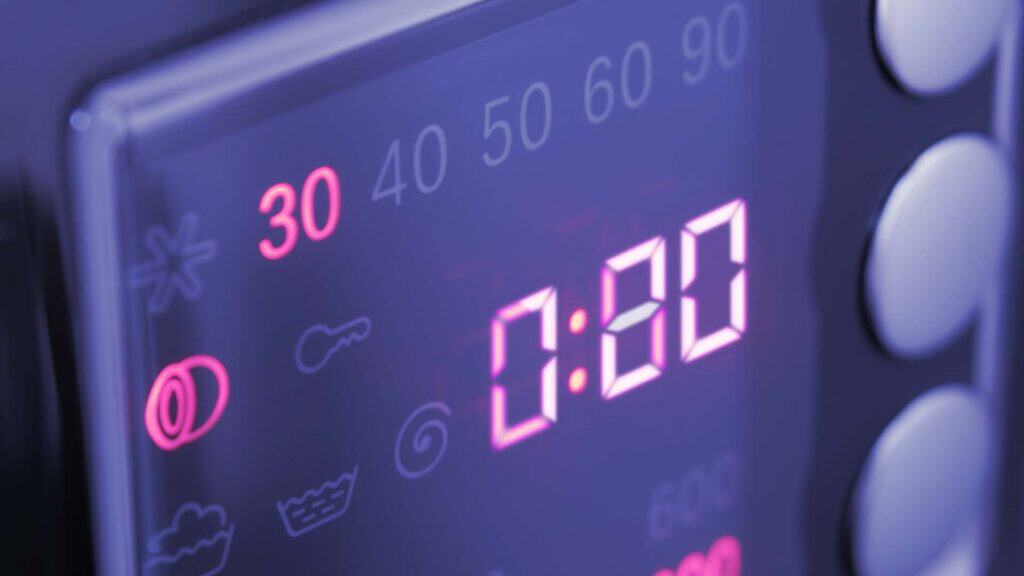 Products increasingly designed to work with less water and lower washing temperatures.
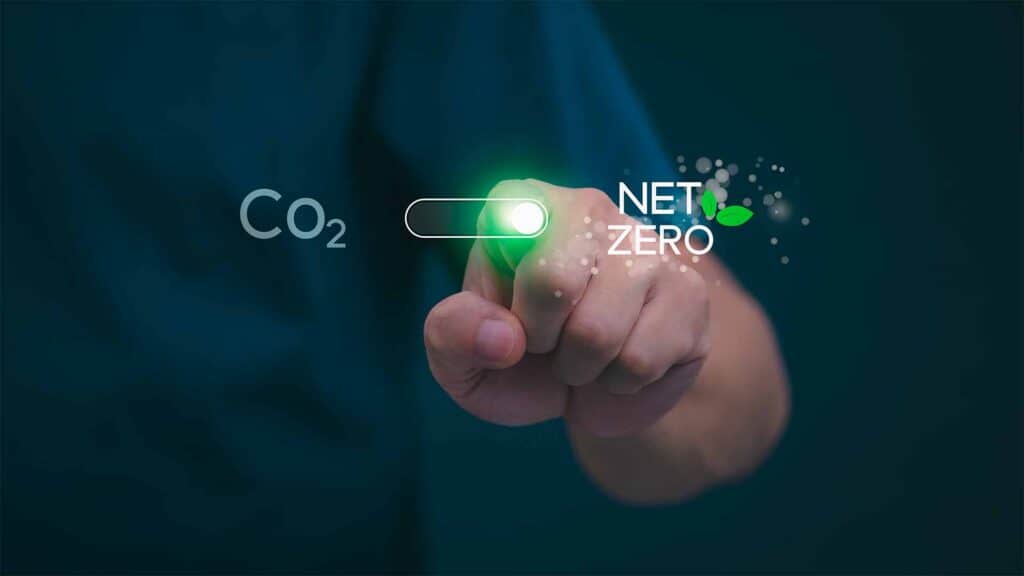 Carbon footprint reduction becomes a central innovation driver across the sector.