The implementation of the EU Classification, Labelling and Packaging CLP Regulation for detergents mixtures in 2015 led to a reduction of the cut-off levels for mixtures containing severely irritating or corrosive ingredients. As a result, most everyday detergents would be required to carry the same corrosive pictogram on the label as caustic or highly acidic specialty cleaners. However, in most cases, calculation-derived skin and eye hazard classifications do not reflect in-market experience and consumer understanding of the hazardous properties of household detergents.
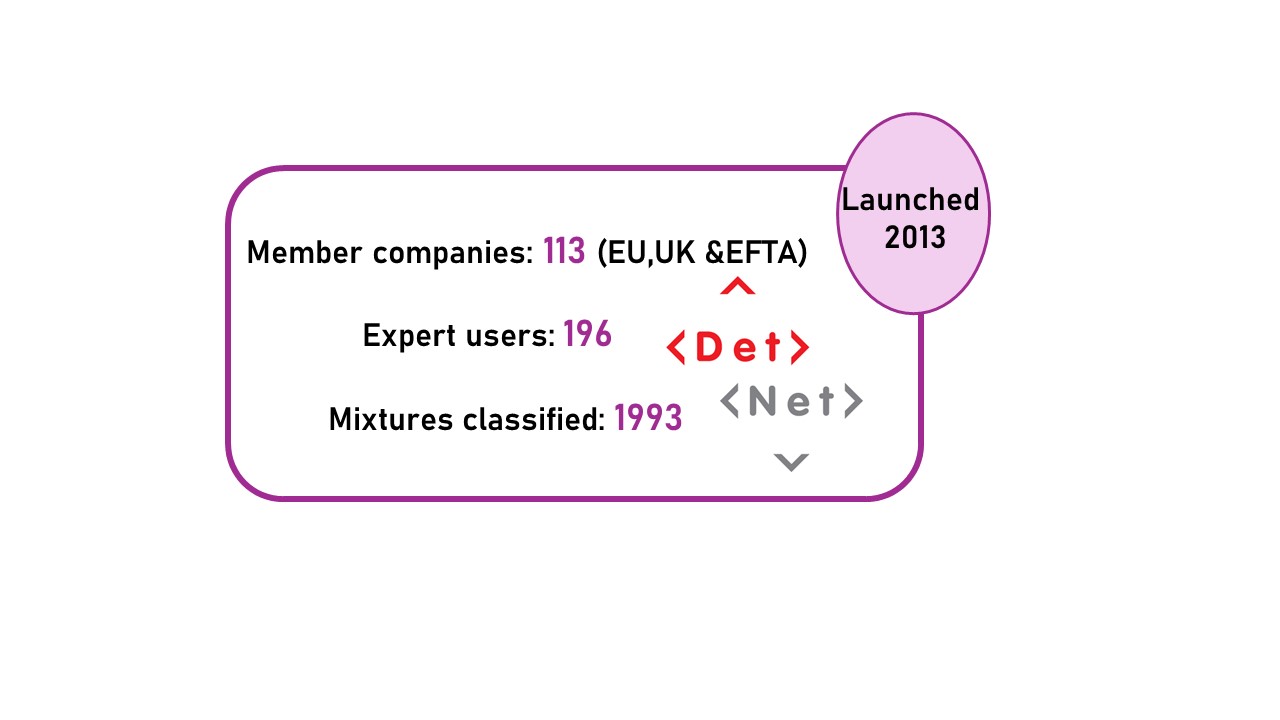
The detergents industry A.I.S.E. responded to this situation by forming the Detergent Industry Network called DetNet. It is a transparent process that supports mixture classification decisions by sharing data, expertise, and best practices between manufacturers of detergent and cleaning products. At the core of DetNet is its database providing access to compositional information and toxicological data on more than 240 detergents and cleaning products. Today, DetNet includes 250 experts from 150 companies and over 3400 classified detergent mixtures.
A new paper just published in Tenside Surfactants Detergents describes and discusses the main features of DetNet, its organisational structure and database. Based on a case study, the process and functioning of DetNet is demonstrated to support a scientifically sound classification of an untested mixture for skin and eye effects based on data available for similar mixtures.
The paper is co-authored by Thomas Petry, Ph.D., Cindy Chhuon, Paul Clohessy, Gerd Huettmann, Gerard Luijkx, Felix Rustemeyer and Jan Robinson